|
Reverdin Consulting
Briefings
|
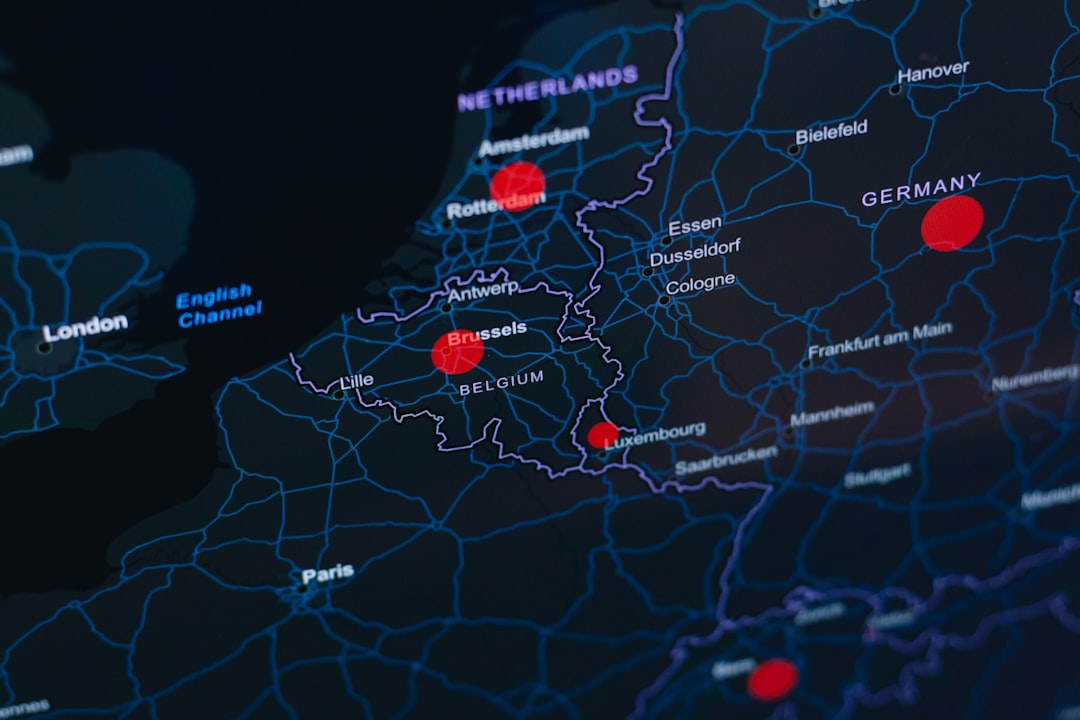 Photo : KOBU Agency · Unsplash American Disengagement from Europe: NATO Confronting Forced Strategic AutonomyThis month has been marked by a major strategic rupture in the transatlantic relationship, triggered by a unilateral decision by the United States.
Transatlantic Rupture: Washington Announces Partial Military Disengagement from EuropeThe period was dominated by Washington's sudden announcement of a revision of its posture in Europe, marking a rupture with global implications. On June 18, 2026, American Defense Secretary Pete Hegseth formalized a « revision » of American military presence in Europe and announced cuts to American contributions to NATO (CBS News, 18/06). According to several sources, this decision, which takes effect immediately, results in a significant reduction in air and naval resources allocated to Alliance operations (Politico.eu, 26/05; Defense News, 12/06). Notably affected are fighters, refueling aircraft, destroyers and submarines that were previously assigned to the United States European Command (EUCOM). This rupture decision was complemented by a measure that is more symbolic but strategically significant: the withdrawal of American personnel from several NATO Centers of Excellence (meta-defense.fr, 09/06). This gesture testifies to a disengagement that goes beyond operational capabilities to affect structural cooperation in doctrine, training and innovation. The totality of these announcements, described as « faster than expected » by some observers (MiGFlug, 18/06), forces European allies to actively prepare for the hypothesis of a lasting reduction in American military presence on the continent (Diari ARA, 16/06). The Iranian Conflict, Catalyst of the Crisis within NATOThe context of this decision is crucial. It comes only days after the announcement, on June 15, 2026, of an agreement between the United States and Iran to cease hostilities and reopen the Strait of Hormuz, ending a conflict that has deeply strained transatlantic relations (Defense News, 15/06). The Pentagon did not hide its dissatisfaction with the lack of support from its European allies during the crisis. Defense Secretary Hegseth publicly described the response of NATO members as « shameful » (The New York Times, 18/06), a criticism that echoes statements by the American administration threatening to withdraw from NATO if allies did not commit to its side against Iran (context: The Times of Israel, 01/04; Al Jazeera, 08/04). This crisis highlighted fundamental divergences in strategic interests and threat perception. American frustration appears to have been a determining factor in the brutality of the posture adjustment in Europe. (Context) Sources had already reported as early as April a Pentagon email envisioning retaliatory measures against certain allies, such as Spain, due to their positioning on the Iranian issue (Reuters, 28/04). The Iranian crisis thus acted as an accelerator and revealer of the Alliance's weaknesses, demonstrating according to some analysts that NATO was not prepared for a high-intensity conflict (politico.eu, 28/04). Uncertainties on Article 5, Defense Spending and Information WarfareThe questioning of the American posture is accompanied by a persistent ambiguity regarding the credibility of Article 5. When asked about an unconditional commitment to mutual defense, the American executive responded that it "depends on your definition" (AP News, [date to verify, article dates from 2025]). This uncertainty is correlated with recurring criticisms over burden-sharing. An article thus identified six NATO members particularly exposed to Washington's reproaches concerning their low defense spending (politico.eu, 17/06). This climate of tension and uncertainty is actively exploited by the Alliance's adversaries. Russian sources have intensified their propaganda targeting Baltic countries, hammering home the message that NATO would not come to their aid in case of conflict (The Jamestown Foundation, 09/06; Eurasia Review, 10/06). This narrative seeks to fracture Alliance solidarity and erode the confidence of populations and governments of the Eastern flank in the American security guarantee, at a time when it is being publicly questioned by Washington. Industrial Consolidation: KNDS Advances on the Tank of the FutureFaced with American disengagement, European initiatives in defense capabilities are taking on renewed importance. The most notable announcement of the period comes from the Franco-German group KNDS. On June 16, 2026, the industrial group proposed developing a hybrid main battle tank, combining French and German technologies, as a replacement solution for the French Army's Leclerc tank fleet (Defense News, 16/06). This proposal fits within the perspective of the Main Ground Combat System (MGCS) program, but could offer a faster intermediate solution. It is a major inflection signal for Franco-German industrial cooperation and for the consolidation of the European defense base, which is seeking alternatives in the face of uncertainties about future imports of American equipment. Capability Programs: Poland Eyes American Autonomous FighterThe transatlantic crisis does not prevent bilateral cooperation with the United States from continuing on cutting-edge technological segments. On June 17, it was reported that Poland was considering joining the X-BAT program, a project for an autonomous vertical takeoff and landing (VTOL) fighter developed by American company Shield AI (Defense News, 17/06). This shift on the part of Warsaw, a pillar of NATO's Eastern flank, illustrates the dilemma facing European nations: the necessity to reinforce European strategic autonomy while maintaining access to disruptive American technologies, particularly in the domains of autonomy and artificial intelligence. This potential choice highlights the tensions between the logics of European industrial consolidation (embodied by programs such as SCAF) and the opportunities for acquiring next-generation capabilities from the American ally, despite the political crisis. Upcoming MilestonesNext month will be crucial for assessing the concrete scope of American disengagement and the first structured responses from allies. The NATO summit in Ankara in July (commonspace.eu, [date to verify, article dates from May]) will be the theater of all eyes. Discussions should define the Alliance's trajectory for the next decade and clarify, or not, the respective commitments of member states in this new strategic context.
Automated monthly briefing by Reverdin Consulting · AI-curated thematic intelligence |
|
Reverdin Consulting
|