|
Reverdin Consulting
Briefings
|
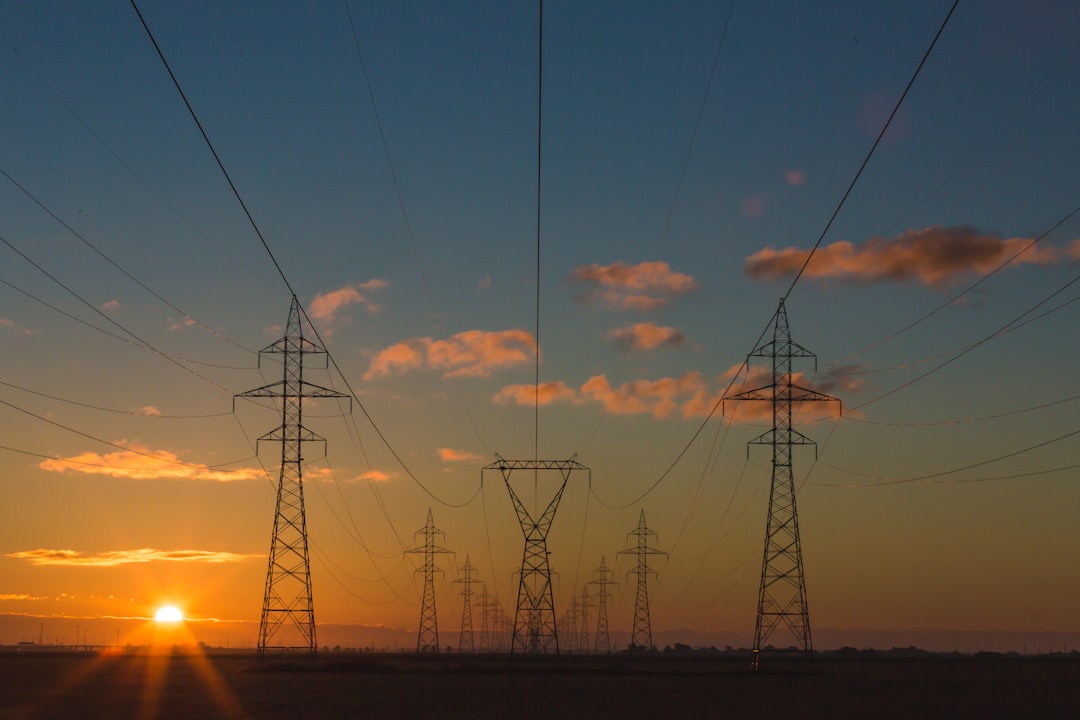 Photo : Matthew Henry · Unsplash Iranian Crisis: Oil Exposes Global Energy VulnerabilitiesGlobal energy developments over the past month have been dominated by a major geopolitical crisis triggered by the war in Iran. This situation has precipitated what is described as the greatest oil supply disruption in history, prompting the International Energy Agency to consider record releases of its strategic reserves. The impacts extend beyond petroleum, threatening to strain the global natural gas market over the next two years and to destabilize emerging hydrogen supply chains. Southeast Asia, heavily dependent on fossil fuel imports, is particularly exposed and has received a "severe warning" regarding its vulnerabilities. Meanwhile, the climate diplomacy front is marked by mounting tensions ahead of COP31, with Turkey's attempt to exclude Cyprus from preparatory processes. This situation is compounded by growing awareness of extreme climate impacts, as the country expected to host COP31 faces unprecedented desertification and loss of water resources. The Iranian conflict triggers a global energy crisis and an IEA responseThe war in Iran has triggered an unprecedented supply crisis on global oil markets in recent months, characterized by the International Energy Agency (IEA) as the "greatest supply disruption in history" (U.S. News & World Report, 12/03/2026). This situation, which began as a major supply shock, has placed energy markets under extreme strain. In response, the IEA declared itself ready to intervene to stabilize the market, notably through a proposal for record releases of emergency petroleum stocks (Anadolu Ajansı, 11/03/2026). However, IEA analysis evolved during June. The agency now observes that the initial supply shock has resulted in significant demand destruction globally. This contraction in consumption, driven by surging prices and economic uncertainty, could paradoxically transform the shortage into an oil glut in the medium term (CNBC, 17/06/2026). The shock wave extends beyond petroleum: the IEA also warns that the conflict will keep the global natural gas market under strain for the next two years (CBS News, 24/04/2026). (Context) The IEA's position in this crisis is all the more closely watched as the institution faces internal political tensions. In February, reports indicated threats from the United States to withdraw from the organization if it maintained too strong a course toward carbon neutrality objectives, illustrating divisions between traditional energy security and the imperatives of climate transition (The Express Tribune, 20/02/2026). Southeast Asia and hydrogen sectors exposed to vulnerabilitiesIn its Southeast Asia Energy Outlook 2026 report published in mid-June, the IEA characterized the crisis as a "wake-up call" particularly severe for Southeast Asia (South China Morning Post, 16/06/2026). The region, heavily dependent on fossil fuel imports, faces soaring energy costs and exposed structural vulnerabilities. The report underscores that without a massive acceleration of investment in clean energy and energy efficiency, the region's energy security will remain precarious (Moneycontrol.com, 16/06/2026). Disruptions in the Middle East also have direct consequences for emerging energy sectors. The IEA warned on 18 June that the conflict disrupts hydrogen trade and reveals critical vulnerabilities in global supply chains (IndexBox, 18/06/2026). These disruptions affect not only hydrogen-energy projects but also industries dependent on it, such as fertilizer production, thus threatening food security in certain regions. Europe is also faced with risks of kerosene shortages, which could materialize in the coming months and affect global air transport (Politico EU, 09/06/2026). Diplomatic tensions and climate alerts ahead of future COPsParallel to the energy crisis, the climate diplomacy calendar moves forward amid mounting tensions. On 25 June, the Cypriot government condemned Turkey's attempt to exclude the Republic of Cyprus from informal preparatory processes for COP31, signaling increased politicization of climate negotiations well ahead of the event (Hellasjournal.com, 25/06/2026). This diplomatic incident compounds the logistical and political challenges of future conferences. The relevance of these summits is reinforced by alarming signals about accelerating climate impacts. A report highlights that the country expected to host COP31 has lost 186 of its 250 lakes over half a century due to advanced desertification (CPG Click Petróleo e Gás, 20/06/2026). This dramatic situation, which has triggered population displacement and ecosystem collapse, underscores the urgency of action even as the country prepares to host global climate negotiations. Similarly, concerns persist around COP30 in Belém (Brazil), with alerts that the Amazon rainforest is approaching a potentially irreversible ecological tipping point (IDRC, 20/03/2026).
Automated monthly briefing by Reverdin Consulting · AI-curated thematic intelligence |
|
Reverdin Consulting
|