|
Reverdin Consulting
Briefings
|
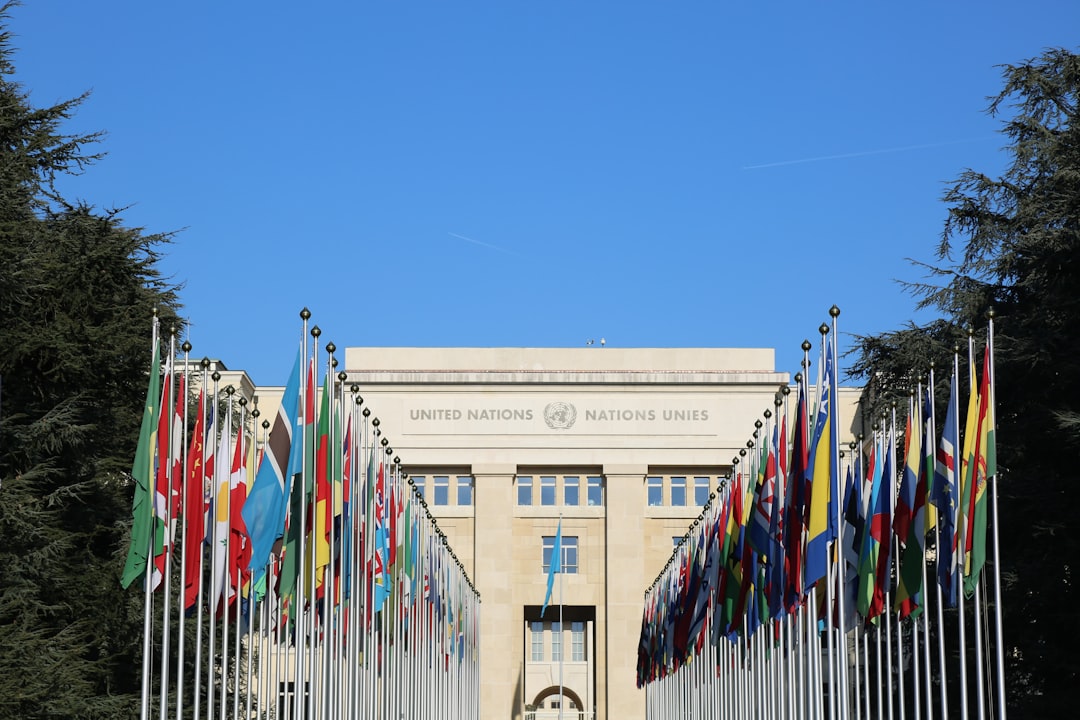 Photo : Salya T · Unsplash Briefing Global HealthThis period is marked by intense diplomatic activity aimed at unblocking negotiations on the pandemic agreement. Following the decision to extend talks (The Economic Times), an open letter from the Director-General of the World Health Organization (WHO) and the Brazilian President calls on leaders of the G7, G20 and BRICS to finalize the annex on pathogen benefit-sharing (PABS), setting new discussions for 6-17 July (WHO). In parallel, significant rapprochement is occurring between the United States and Gavi, the Vaccine Alliance (GAVI), welcomed by the WHO (Macau Business) and paving the way for possible restoration of American funding of 600 million dollars for antimalarial vaccines (Pakistan Today). Finally, the WHO issued an alert on the expansion of dengue, which now threatens more than half the global population (WHO), while targeted efforts continue at the national level, as illustrated by Pakistan's engagement with the Global Fund to Fight AIDS, Tuberculosis and Malaria (Global Fund) to combat HIV (24 News HD). Pandemic agreement negotiations: new diplomatic momentum to finalize the PABS componentFollowing the decision by World Health Organization (WHO) member states on 19 May 2026 to extend negotiations on the future pandemic agreement (The Economic Times), global health diplomacy experienced notable acceleration. On 15 June 2026, in a joint open letter, WHO Director-General Dr Tedros Adhanom Ghebreyesus and Brazil's President Luiz Inácio Lula da Silva directly addressed leaders of the G7, G20, BRICS and all nations. Their appeal emphasizes the urgency of finalizing the annex on Pathogen Access and Benefit-Sharing (PABS), considered the cornerstone of equity in preparedness and response to future health crises (WHO). The letter recalls the devastating human and economic cost of the COVID-19 pandemic, with estimates reaching twenty million deaths and economic impact exceeding thirteen trillion dollars, according to the International Monetary Fund (IMF). This appeal highlights the principal fault line in negotiations: the balance between rapid access to pathogen samples by developed countries and pharmaceutical industries, and fair and equitable benefit-sharing (vaccines, diagnostics, treatments) with developing countries where these pathogens are often identified. The "zero draft" from 2023 proposed that the WHO receive 20% of pandemic products to ensure this equity (Health Policy Watch), a proposal that remains at the heart of debates. Implications: Brazil's involvement, holding the G20 presidency, confers major political weight to this initiative. It aims to mobilize political will at the highest level to overcome blockages, notably from countries hosting major pharmaceutical industries. The challenge is to transform an equity principle into an operational and binding mechanism. A new negotiation session is already scheduled for 6-17 July 2026 to attempt to reach agreement on this crucial annex (WHO). Failure of these talks risks perpetuating inequalities observed during the COVID-19 crisis, undermining confidence in the multilateral health system. Vaccination financing: warming U.S.-Gavi relations reshuffles the deckThe landscape of global vaccination financing experienced a major shift this month. In early June, reports indicated willingness by the United States of America to re-engage with Gavi, the Vaccine Alliance (GAVI), in the context of an Ebola epidemic (Fine Day 102.3, 2 June). This signal, attributed to American Senator Rubio, was quickly and publicly welcomed by WHO Director-General Dr Tedros on 4 June, who underscored the importance of this gesture for vaccine diplomacy (Macau Business). This rapprochement is not merely diplomatic; it could have substantial financial consequences. According to press reports from 9 June, Gavi hopes to obtain restoration of American funding of 600 million dollars, specifically intended to support antimalarial vaccine deployment (Pakistan Today). This prospect is crucial for Gavi, which recently unveiled (context: June 2024) an ambitious strategic plan for its next five-year period aimed at "protecting more children, against more diseases, faster than ever" (Gavi, the Vaccine Alliance). Implications: American reinvestment would send a strong signal to all donors and considerably strengthen Gavi's financial position. For the United States, it represents a reaffirmation of its leadership in global health, potentially in response to growing influence from other actors such as China. For beneficiary countries in Africa, Asia and Latin America, this would translate into improved access to next-generation vaccines, such as those against malaria, and would strengthen health system resilience against epidemics, as Gavi recalled in an opinion piece on Ebola on 12 June (Gavi, the Vaccine Alliance). The challenge will be to translate this political announcement into firm budgetary commitments in the American Congress. Warning signals and field responses: dengue expansion and targeted pandemic responseBeyond governance structures, the period was marked by health alerts and concrete field action.
Automated monthly briefing by Reverdin Consulting · AI-curated thematic intelligence |
|
Reverdin Consulting
|